
Catalogue
Polypropylene (PP)
Polypropylene is a light, rigid polyolefin with a high melting point and good chemical resistance. It is supplied as homopolymer, random copolymer or impact (block) copolymer, each suited to different parts and processes.
- Chemical namePolypropylene
- CAS No.9003-07-0 (homopolymer); 9010-79-1 (copolymer)
- Density (typical)0.900 – 0.910 g/cm³
- Melt flow rateFrom below 1 to 100+ g/10 min at 230 °C / 2.16 kg, grade-dependent
Typical properties
| Chemical name | Polypropylene |
|---|---|
| CAS No. | 9003-07-0 (homopolymer); 9010-79-1 (copolymer) |
| Density (typical) | 0.900 – 0.910 g/cm³ |
| Melt flow rate | From below 1 to 100+ g/10 min at 230 °C / 2.16 kg, grade-dependent |
| Types | Homopolymer · random copolymer · impact copolymer |
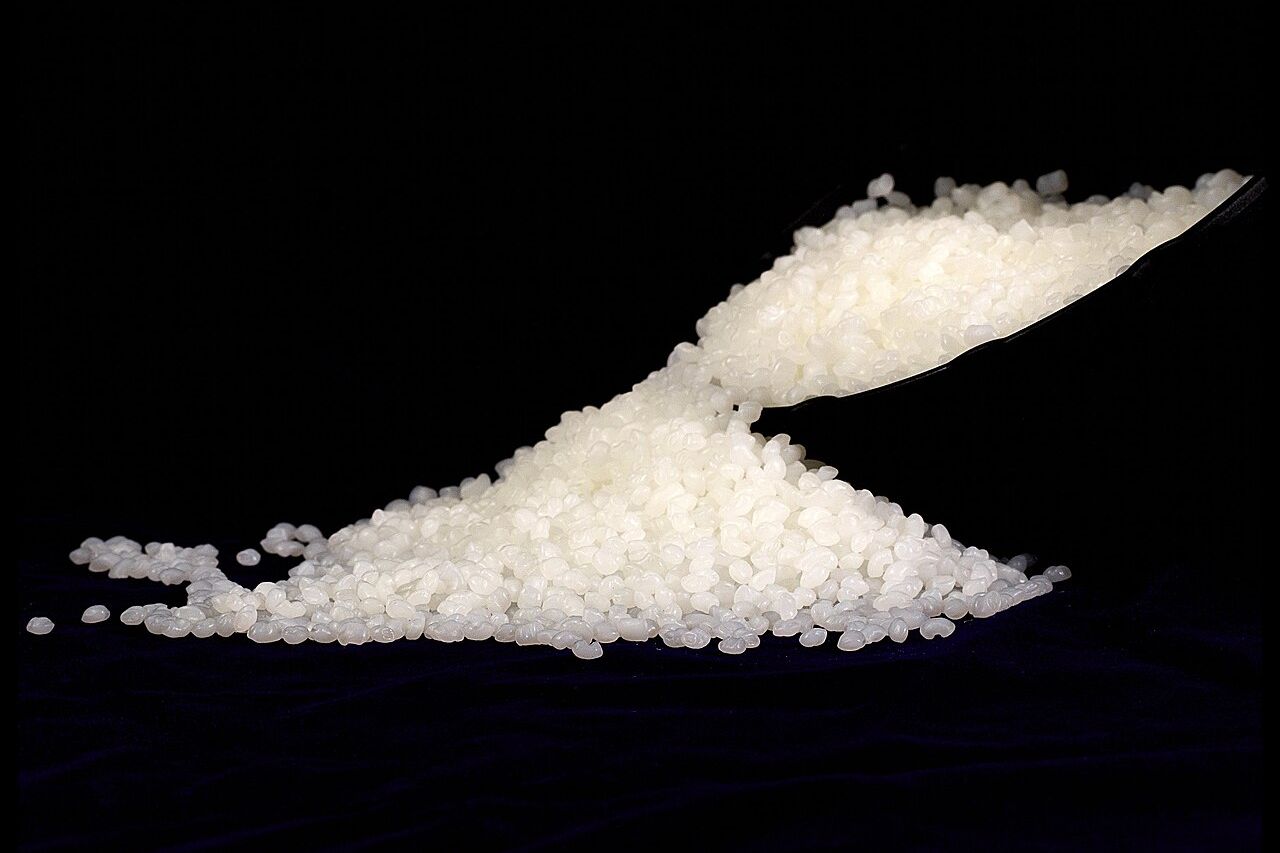
| Physical form | Pellets |
| Packing | 25 kg bags on pallets; confirmed in each offer |
Typical values for this material class from public technical literature. The governing values are those on the manufacturer’s TDS or COA for the exact grade quoted in each offer.
Applications
- Injection-moulded parts, caps and housewares
- Raffia, woven bags and big bags
- Fibre and nonwovens
- BOPP and cast film
- Thin-wall packaging (high-flow grades)
- Automotive and appliance parts (impact copolymer)
How the grade is selected
- Homopolymer, random or impact copolymer
- Melt flow rate for the process
- Impact strength and stiffness balance
- Nucleating, clarifying or antistatic additives
Documents with an offer
- TDSTechnical data sheet for the offered grade, when available
- SDSSafety data sheet applicable to the supplied product
- COACertificate of analysis or relevant lot documentation, when supplied
Frequently asked questions
Homopolymer or copolymer: which do I need?
Homopolymer gives the highest stiffness and is common for raffia, fibre and general injection. Random copolymer gives clarity. Impact copolymer keeps toughness at low temperatures, for crates, buckets and automotive parts.
What melt flow rate is used for raffia?
Raffia tape lines usually run low-flow homopolymer, typically about 2 – 4 g/10 min. Your line and tape spec decide the exact grade.
Can you supply PP for woven bags?
Yes, raffia-grade PP is part of our range. Send the tape denier and line details, and we compare suitable grades.
Related materials
Need this material?
Send the application, your current grade or specification, the quantity and the destination port. We reply with a written offer that names the manufacturer, grade and origin.