
Catalogue
EVA (ethylene vinyl acetate)
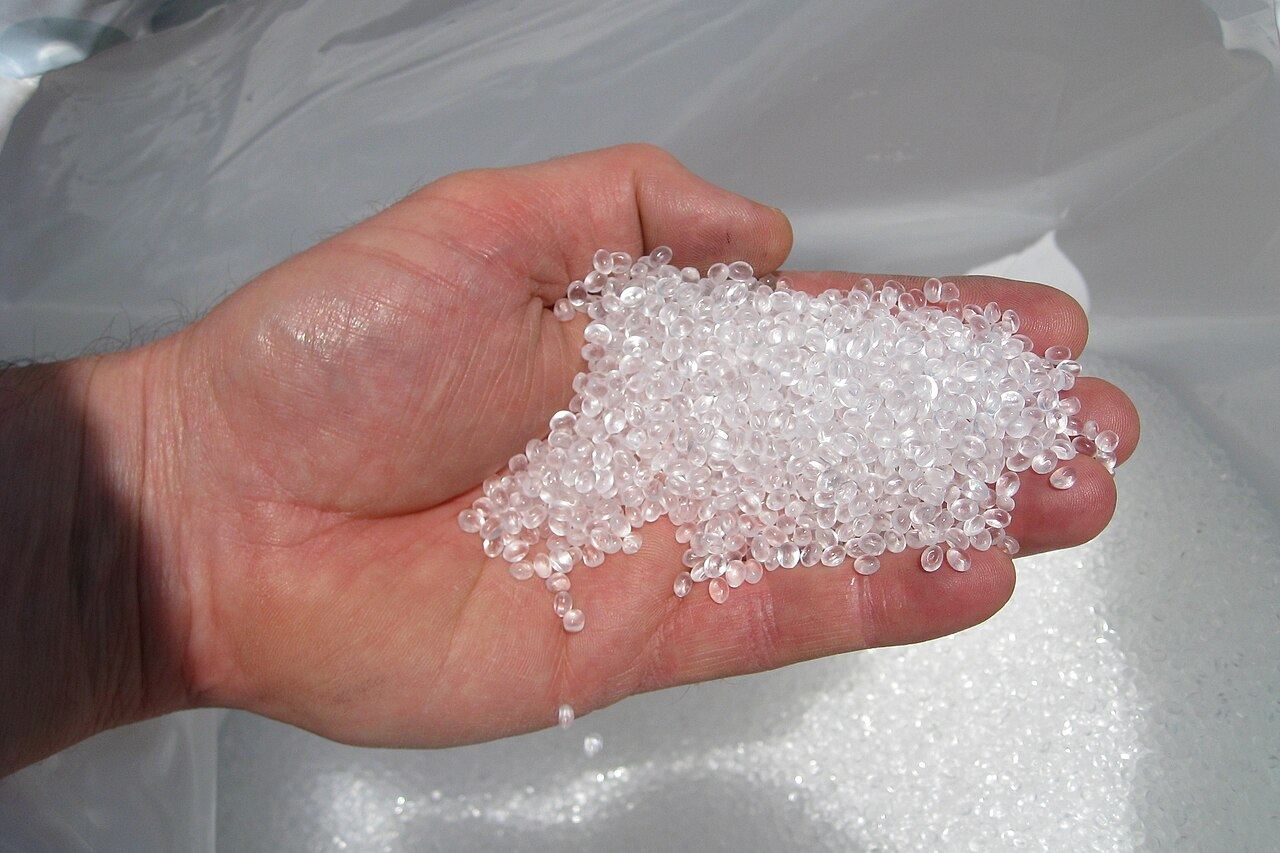
EVA is a copolymer of ethylene and vinyl acetate (VA). The VA content sets its softness, flexibility, clarity and adhesion. Low-VA grades behave like soft polyethylene. High-VA grades are rubbery and sticky, which suits foam, hot-melt adhesives and encapsulation film.
- Chemical nameEthylene–vinyl acetate copolymer
- CAS No.24937-78-8
- VA content (range)About 2 – 40 %, grade-dependent
- Density (typical)About 0.92 – 0.96 g/cm³, rising with VA content
Typical properties
| Chemical name | Ethylene–vinyl acetate copolymer |
|---|---|
| CAS No. | 24937-78-8 |
| VA content (range) | About 2 – 40 %, grade-dependent |
| Density (typical) | About 0.92 – 0.96 g/cm³, rising with VA content |
| Melt flow index | From below 1 to several hundred g/10 min (hot-melt grades) |
| Physical form | Pellets · compounds |
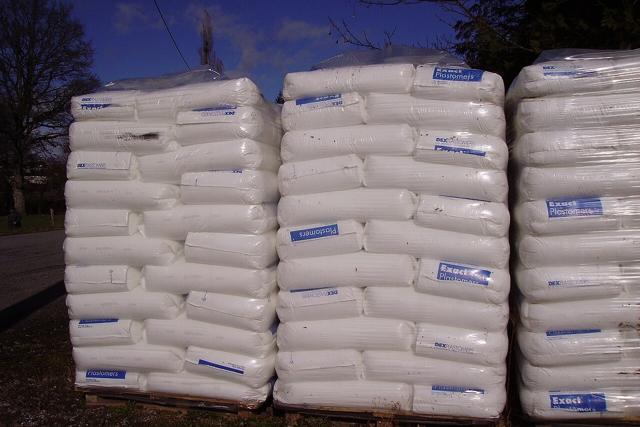
| Packing | 25 kg bags; confirmed in each offer |
Typical values for this material class from public technical literature. The governing values are those on the manufacturer’s TDS or COA for the exact grade quoted in each offer.
Applications
- Footwear foam: midsoles, outsoles, slippers (about 18 – 28 % VA)
- Hot-melt adhesives for packaging, bookbinding and woodworking (about 18 – 40 % VA)
- Solar-panel encapsulation film (about 28 – 33 % VA)
- Agricultural and stretch film (low VA)
- Wire and cable compounds
How the grade is selected
- VA content for softness and adhesion
- Melt flow index for the process
- Foaming or cross-linking route (for foam)
- Formulation partners: tackifiers, waxes, blowing agents
Documents with an offer
- TDSTechnical data sheet for the offered grade, when available
- SDSSafety data sheet applicable to the supplied product
- COACertificate of analysis or relevant lot documentation, when supplied
Frequently asked questions
What does VA content change?
More vinyl acetate makes EVA softer, more flexible, clearer and better at bonding, and lowers its melting point. Less VA makes it closer to LDPE.
Which EVA is used for shoe soles?
Foam soles typically use EVA with about 18 – 28 % VA, compounded with blowing and cross-linking agents. Your compound recipe and the hardness you need decide the grade.
Do you supply EVA hot-melt adhesive granules?
Yes, alongside EVA resin we source hot-melt adhesive systems. Send the application, the machine and the open time you need.
Related materials
Need this material?
Send the application, your current grade or specification, the quantity and the destination port. We reply with a written offer that names the manufacturer, grade and origin.