
Home / Catalogue / Butyl acrylate
Catalogue
Butyl acrylate monomer (BA)
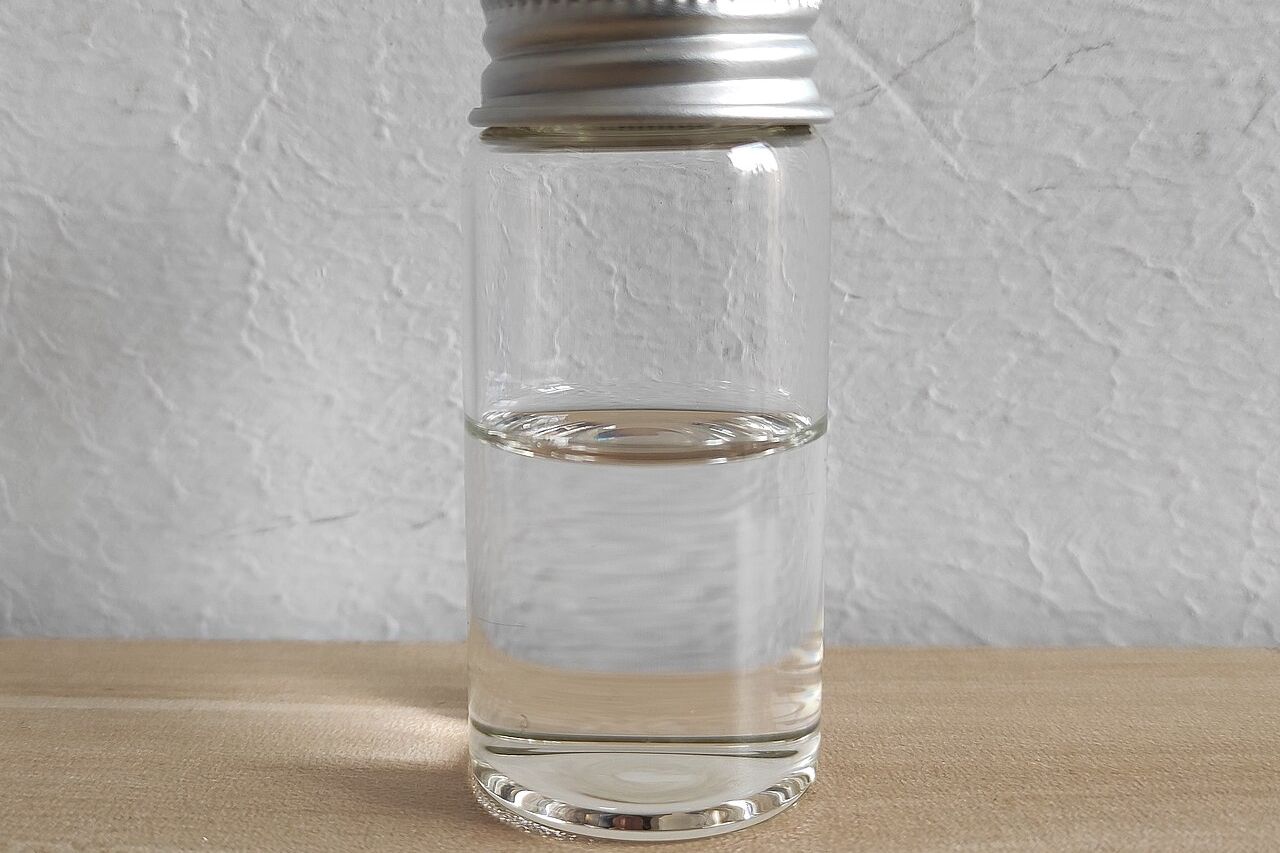
n-Butyl acrylate is a clear, colourless liquid monomer, the butyl ester of acrylic acid. It is polymerised, usually with other monomers, into acrylic and styrene-acrylic polymers. These give softness, flexibility and weather resistance to paints, adhesives and coatings.
- Chemical namen-Butyl acrylate (butyl prop-2-enoate)
- CAS No.141-32-2
- EC No.205-480-7
- Molecular formulaC₇H₁₂O₂
Typical properties
| Chemical name | n-Butyl acrylate (butyl prop-2-enoate) |
|---|---|
| CAS No. | 141-32-2 |
| EC No. | 205-480-7 |
| Molecular formula | C₇H₁₂O₂ |
| Molecular weight | 128.17 g/mol |
| Appearance | Clear, colourless liquid |
| Density | About 0.89 g/cm³ at 20 °C |
| Boiling point | About 145 °C |
| Melting point | About −64 °C |
| Flash point | About 36 – 39 °C (closed cup) |
| Purity (typical commercial) | ≥ 99.5 % |
| Inhibitor | MEHQ, typically about 10 – 20 ppm |
| Transport | UN 2348, class 3 (flammable liquid) |
| Packing | Drums, IBCs or ISO tanks; confirmed in each offer |
Typical values for this material class from public technical literature. The governing values are those on the manufacturer’s TDS or COA for the exact grade quoted in each offer.
Applications
- Acrylic and styrene-acrylic emulsions for architectural paint
- Pressure-sensitive adhesives: tapes and labels
- Textile and leather finishing
- Paper coatings and sealants
- Comonomer for plastics modification
How the grade is selected
- Purity and inhibitor level
- Packing: drums, IBC or ISO tank
- Storage and transit time against inhibitor life
- Documents your plant needs: SDS, COA and TDS when available
Documents with an offer
- TDSTechnical data sheet for the offered grade, when available
- SDSSafety data sheet applicable to the supplied product
- COACertificate of analysis or relevant lot documentation, when supplied
Frequently asked questions
What is butyl acrylate used for?
Mostly to make acrylic polymers for water-based paints, pressure-sensitive adhesives, coatings, sealants and textile finishes. It lowers the glass transition temperature, so the polymer is soft and flexible.
How should butyl acrylate be stored?
In a cool, ventilated area, away from heat and ignition sources, under air rather than nitrogen. The MEHQ inhibitor needs dissolved oxygen to work. Follow the supplier’s SDS for temperature limits and shelf life.
How is butyl acrylate shipped?
As a class 3 flammable liquid (UN 2348) in drums, IBCs or ISO tank containers. The offer states the packing, the loading port and the documents.
Why does butyl acrylate contain an inhibitor?
Acrylate monomers can polymerise on their own when heated or stored too long. A small amount of MEHQ inhibitor keeps the monomer stable in storage and transport.
Related materials
Need this material?
Send the application, your current grade or specification, the quantity and the destination port. We reply with a written offer that names the manufacturer, grade and origin.