
Home / Catalogue / Styrene monomer
Catalogue
Styrene monomer (SM)
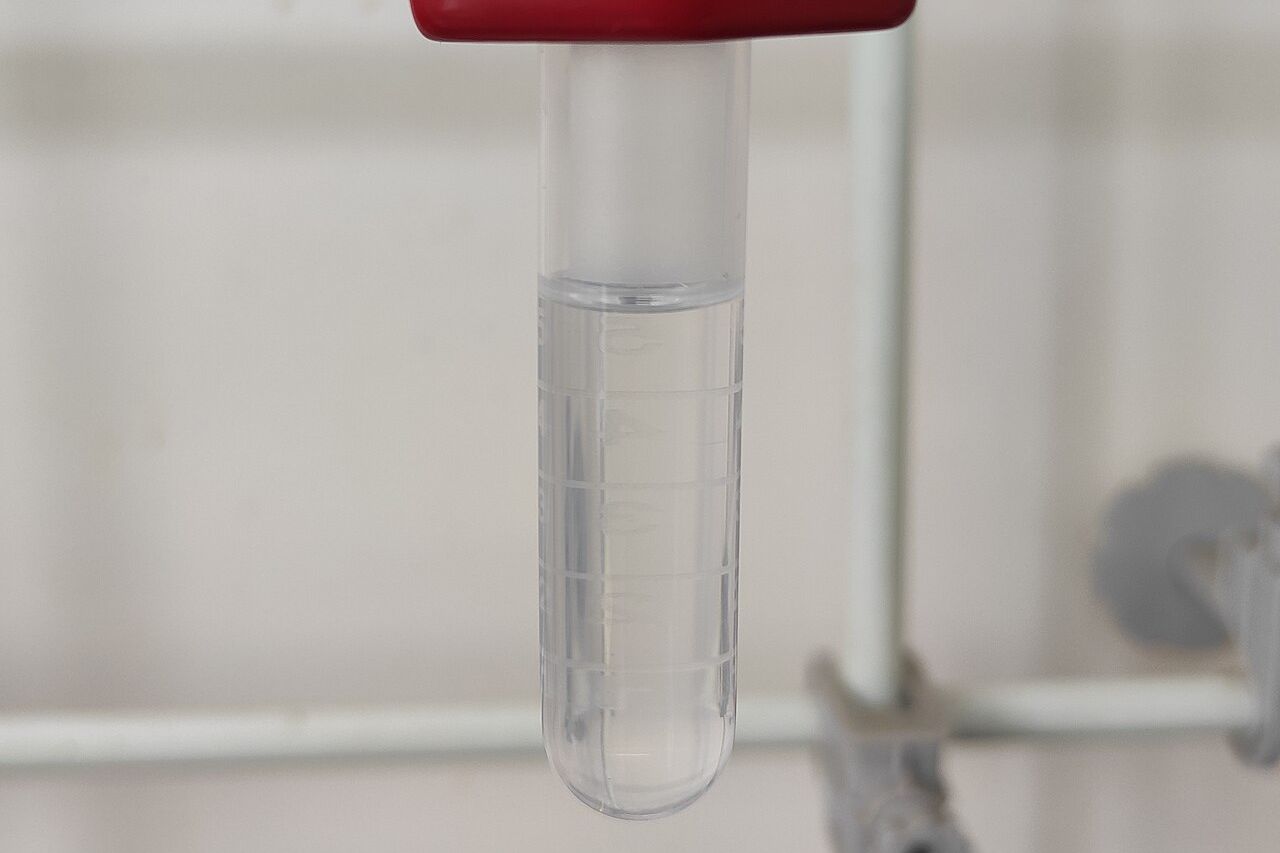
Styrene is a clear, colourless aromatic liquid monomer. It is the building block of polystyrene (GPPS and HIPS), expandable polystyrene (EPS), ABS and SAN, styrene-butadiene rubber and latex, and the reactive diluent in unsaturated polyester resins.
- Chemical nameStyrene (ethenylbenzene, vinylbenzene)
- CAS No.100-42-5
- EC No.202-851-5
- Molecular formulaC₈H₈
Typical properties
| Chemical name | Styrene (ethenylbenzene, vinylbenzene) |
|---|---|
| CAS No. | 100-42-5 |
| EC No. | 202-851-5 |
| Molecular formula | C₈H₈ |
| Molecular weight | 104.15 g/mol |
| Appearance | Clear, colourless liquid |
| Density | About 0.906 g/cm³ at 20 °C |
| Boiling point | About 145 °C |
| Melting point | About −31 °C |
| Flash point | About 31 – 32 °C (closed cup) |
| Purity (typical commercial) | ≥ 99.7 % |
| Inhibitor | TBC (4-tert-butylcatechol), typically about 10 – 15 ppm |
| Transport | UN 2055, class 3 (flammable liquid) |
| Packing | ISO tanks or bulk; drums for small volumes; confirmed in each offer |
Typical values for this material class from public technical literature. The governing values are those on the manufacturer’s TDS or COA for the exact grade quoted in each offer.
Applications
- General-purpose and high-impact polystyrene (GPPS, HIPS)
- Expandable polystyrene (EPS) for insulation and packaging
- ABS and SAN engineering plastics
- Unsaturated polyester resins and gelcoats
- Styrene-butadiene rubber and latex
How the grade is selected
- Purity and inhibitor (TBC) level
- Packing: ISO tank, bulk or drums
- Transit time and temperature against inhibitor depletion
- Documents your plant needs: SDS, COA and TDS when available
Documents with an offer
- TDSTechnical data sheet for the offered grade, when available
- SDSSafety data sheet applicable to the supplied product
- COACertificate of analysis or relevant lot documentation, when supplied
Frequently asked questions
What is styrene monomer used for?
Mainly to produce polystyrene, EPS, ABS, SAN and synthetic rubbers. It is also the reactive solvent in unsaturated polyester resins for composites and gelcoats.
Why does styrene need TBC inhibitor?
Styrene can polymerise by itself, and faster when warm. TBC prevents this, but only while dissolved oxygen is present. Inhibitor level and temperature are therefore checked during storage and long sea transit.
How is styrene shipped?
As a class 3 flammable liquid (UN 2055), usually in ISO tank containers or in bulk, with temperature control as required. The offer states the packing, the route and the documents.
Related materials
Need this material?
Send the application, your current grade or specification, the quantity and the destination port. We reply with a written offer that names the manufacturer, grade and origin.